
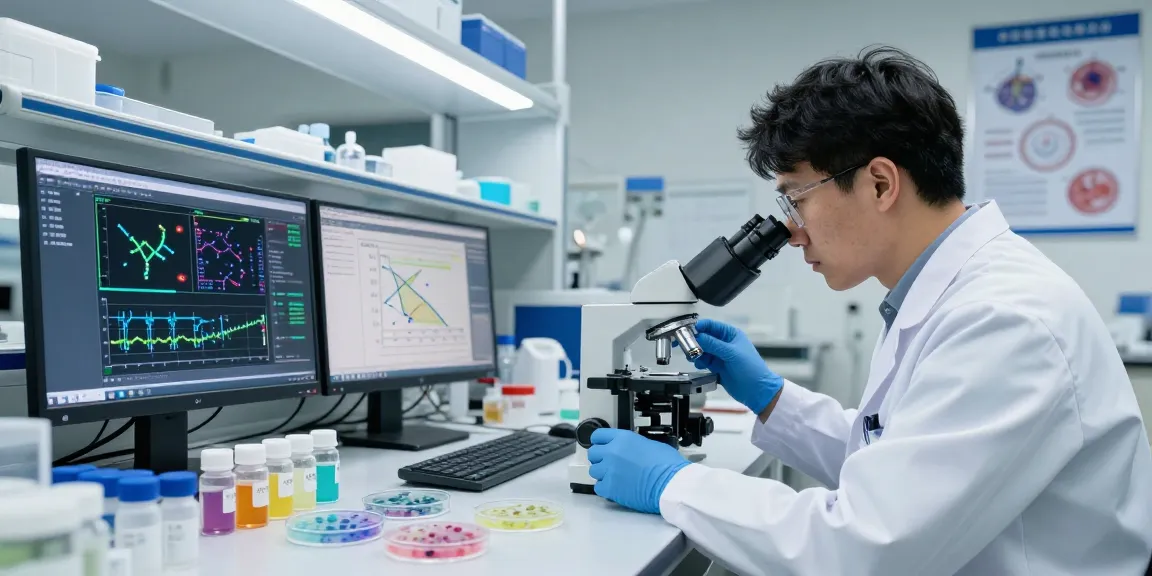
Overview of GHK-Cu in Canada
As science continues to explore the potential of peptides, GHK-Cu has emerged as a significant player in the field of regenerative biology. This copper tripeptide, composed of three amino acids—glycine, histidine, and lysine—has been the subject of extensive research since its discovery in the early 1970s. Cited for its multifaceted roles in cellular repair and gene modulation, GHK-Cu is especially noteworthy for its applications in laboratory settings. This article provides an extensive overview of GHK-Cu research in Canada, focusing on its biological mechanisms, regulatory context, and latest findings.
For those interested in further exploring this peptide and its applications, the ghk-cu canada page offers comprehensive insights into its potential therapeutic and research contexts.
What Is GHK-Cu?
GHK-Cu, or glycyl-L-histidyl-L-lysine copper complex, is a naturally occurring peptide that has garnered attention due to its regenerative properties. The copper ion in its structure plays a pivotal role, as it binds tightly to the nitrogen atoms within the peptide, enhancing its biological activity. GHK-Cu has been recognized for its ability to facilitate wound healing, stimulate collagen synthesis, and modulate gene expression across a broad spectrum of cellular functions.
Historical Context and Discovery
The peptide was first isolated by Dr. Loren Pickart in 1973, who observed its remarkable effects on rejuvenating aged liver cells in vitro. This discovery marked the beginning of a robust field of research exploring the regenerative properties of GHK-Cu. Over the past five decades, numerous studies have documented its diverse effects on human physiology, particularly its role in modulating gene expression profiles that are crucial for tissue repair and regeneration.
Importance of GHK-Cu in Regenerative Biology
In the realm of regenerative medicine, GHK-Cu is celebrated not just for its effects on collagen synthesis but for its ability to influence over 4,000 human genes, which represents approximately 6% of the human genome. This broad impact allows GHK-Cu to facilitate cellular processes relevant to aging, wound healing, and various degenerative conditions. Understanding its mechanisms can provide invaluable insights into potential therapeutic approaches in regenerative and metabolic health.
How GHK-Cu Functions in Cellular Systems
Gene Expression Modulation
One of the most significant findings in recent GHK-Cu research is its capacity to regulate gene expression dynamically. Studies utilizing tools like the Broad Institute’s Connectivity Map have demonstrated that GHK-Cu can "reset" the gene expression profile of aged cells to resemble that of younger cells. This unique capability not only highlights GHK-Cu's versatility but also poses challenges for research methodologies, as traditional single-pathway analysis may not suffice to capture its multifaceted actions.
The Role of Copper in Peptide Functionality
The copper ion integral to GHK-Cu's structure is not merely a passive component; it is essential for the peptide's biological activity. The strong binding of copper enhances GHK's ability to act as a carrier for copper-dependent enzymes while also influencing various signaling pathways involved in cellular metabolism and repair. The significance of copper in GHK-Cu's functionality is documented in multiple studies, reiterating that its bioactivity is intricately linked to the presence of this metal ion.
Multi-Mechanistic Actions of GHK-Cu
Unlike many peptides that operate through a single or limited number of pathways, GHK-Cu exhibits a wide array of biological effects. These include stimulating collagen and elastin synthesis, enhancing antioxidant defense mechanisms, and balancing matrix remodeling enzymes. As a result, GHK-Cu has drawn attention in therapeutic areas ranging from dermatology to oncology, where cellular regeneration and repair are critical.
Key Research Findings on GHK-Cu
Broad Institute Connectivity Map Insights
The application of GHK-Cu in cellular studies has been greatly aided by databases like the Broad Institute’s Connectivity Map. Researchers have utilized this platform to correlate the peptide's effects on gene expression with various disease states. These insights allow for a better understanding of how GHK-Cu may mitigate age-related degradation in tissues, further showcasing its potential in clinical applications.
Impact on Cellular Aging and Tissue Regeneration
GHK-Cu's ability to positively influence cellular aging has been documented in various studies, where it promotes not only cell survival but also rejuvenation. By encouraging a regenerative response in aged or damaged tissues, GHK-Cu serves as a potential therapeutic agent for conditions characterized by chronic inflammation or degeneration.
2025 Update: SIRT1/STAT3 Discovery
A pivotal study published in July 2025 identified GHK-Cu's interaction with the SIRT1/STAT3 pathway, linking its functions to broader metabolic and inflammatory responses. This discovery underlines the significance of GHK-Cu within the context of cellular homeostasis and offers new avenues for research concerning its anti-inflammatory properties. The investigations into SIRT1 suggest that GHK-Cu could play a role in enhancing mitochondrial function and cellular metabolism.
Canada's Regulatory Context for GHK-Cu
Research-Use-Only (RUO) Status
In Canada, GHK-Cu is not authorized for therapeutic use in humans and is classified strictly as a research-use-only (RUO) product. This regulatory stance ensures that GHK-Cu is available for laboratory studies but prohibits its use outside controlled research environments. Researchers must comply with the Food and Drugs Act framework to access this peptide for their studies.
GHK-Cu vs. Copper Tripeptide-1 in Regulatory Terms
While GHK-Cu and Copper Tripeptide-1 refer to the same molecular entity, the regulatory implications differ significantly. GHK-Cu is supplied as a lyophilized peptide for laboratory research, whereas Copper Tripeptide-1 appears in cosmetic formulations governed by different standards. This distinction is crucial for researchers and cosmetic formulators, as the documentation and quality control measures differ for RUO peptides compared to those used in cosmetic products.
Documentation Standards for Research-grade GHK-Cu
Researchers acquiring GHK-Cu must ensure that their suppliers provide comprehensive documentation, including a Certificate of Analysis (COA) that verifies the peptide's purity and identity. This documentation typically includes HPLC testing results, mass spectrometry identity confirmation, and bacterial endotoxin testing to meet the strict research standards required within Canadian laboratories.
FAQs and Further Insights
Is GHK-Cu Approved for Human Use in Canada?
No, as of May 2026, GHK-Cu has not received approval from Health Canada for any therapeutic use in humans. It remains classified as a research-use-only material, reinforcing the importance of adherence to regulatory guidelines by researchers in this field.
How Many Genes Does GHK-Cu Influence?
Research indicates that GHK-Cu influences the activity of over 4,000 human genes, which is significant given its status as a small peptide. This extensive impact on gene expression is what sets GHK-Cu apart from other therapeutic peptides currently being studied.
What Documentation Is Required for GHK-Cu?
To ensure compliance with research standards, documentation accompanying GHK-Cu must include a COA detailing HPLC purity (target ≥99%), mass spectrometry identity confirmation, and bacterial endotoxin testing. This level of documentation is essential for maintaining integrity and reliability in research findings involving GHK-Cu.